July 16, 2026
Effectively balancing ecological sustainability with necessary residential infrastructure maintenance requires an active, science-based understanding of how local vegetation influences broader environmental dynamics. While dense, mature canopies provide immense aesthetic and ecological value to neighborhoods, intentional human intervention through calculated tree removal often serves as a vital tool for comprehensive forest management and localized environmental equilibrium. When executed correctly by experienced professionals, modifying specific tree populations allows the remaining flora to flourish by reducing competition, improving sunlight penetration, and optimizing vital resource distribution across the landscape.
Strategic management also directly shapes energy efficiency, structural safety, and microclimate temperature regulation in developing residential areas. According to a comprehensive environmental review published in Arboriculture & Urban Forestry, residential tree placement acts as a natural climate control mechanism, lowering residential winter heating demands by 10% to 15%. However, when severe overgrowth, disease, or structural instability compromises these natural benefits, targeted tree removal becomes necessary to restore the intentional arrangement required for long-term urban resilience and ecological health.
Regulating Local Microclimates and Atmospheric Balance
Trees play a major, indispensable role in stabilizing the global climate by regulating atmospheric carbon dioxide levels and carefully managing moisture cycles. Through the fundamental process of photosynthesis, they absorb large volumes of carbon dioxide, mitigating greenhouse gases and contributing significantly to long-term climate stabilization. In dense urban environments, established tree canopies act as natural air conditioners, providing vital shade that lowers the surrounding ambient temperature and substantially reduces a community's overall reliance on costly artificial cooling systems.
Beyond reducing the dangerous urban heat island effect, dense localized vegetation profoundly influences the regional hydrological cycle through root absorption and moisture release. Trees facilitate evaporation and transpiration, which actively support natural rainfall patterns and maintain critical soil moisture balance across adjacent properties. When a specific geographic area becomes severely overpopulated with competing species, the overall health of the canopy rapidly declines, making structured tree removal an essential practice to ensure the remaining vegetation can perform these climate-regulating functions efficiently.
Furthermore, maintaining an optimal, healthy density of regional flora supports local biodiversity by creating highly stable habitats for diverse organisms, birds, and beneficial insects. This biological variety ensures that vulnerable ecosystems remain resilient against sudden environmental changes, severe storms, or unexpected prolonged droughts. Preserving this natural balance prevents a single invasive species from completely dominating the landscape, thereby maintaining the intricate ecological interactions that underpin natural climate and temperature moderation.
Implementing Strategic Management Practices
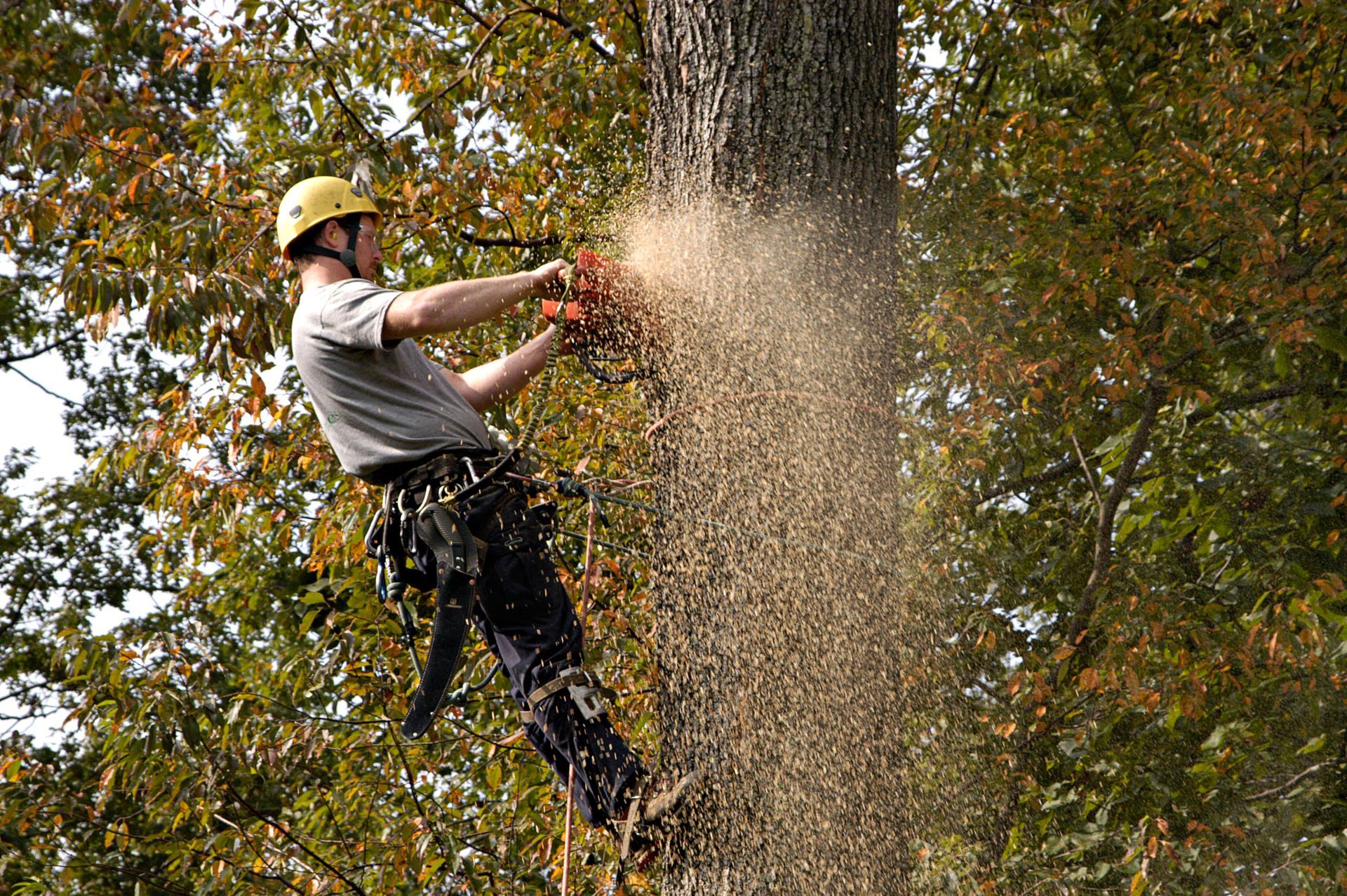
Calculated tree removal is a strategic approach involving the selective extraction of specific trees to promote healthier, more sustainable ecosystems over time. This professional practice relies on established scientific principles aimed at balancing tree density and forest structure to enhance ecosystem services like soil fertility, watershed protection, and climate regulation. It functions as a precise, thoughtful process that contrasts sharply with destructive commercial practices such as clear-cutting, which often completely disregard long-term ecological impacts and soil degradation.
This progressive management philosophy has evolved significantly from historical forestry methods that primarily prioritized maximizing short-term timber production over systemic ecological health. Modern conservation science recognizes the multifunctionality of wooded landscapes and the absolute necessity of maintaining a delicate systemic equilibrium between nature and development. Implementing selective tree removal allows modern professionals to harmonize human infrastructural safety, property protection, and proactive environmental stewardship without harming the surrounding habitat.
Numerous regional studies confirm that thinning overpopulated or diseased areas prevents widespread pest outbreaks, fungal infections, and enhances overall forest resilience against natural disasters. By preserving the broader canopy cover and prioritizing the stability of underlying soil networks, this methodology improves the long-term health of the entire local ecosystem. These targeted practices contribute to reliable climate regulation while simultaneously supporting community safety goals and municipal zoning requirements.
Enhancing Forest Health and Reducing Wildfire Risks
Selective plant extraction significantly contributes to forest health and diversity by allowing crucial sunlight to reach the lower levels of the ecosystem, encouraging the growth of various understory plant species. This increased diversity creates a robust environment capable of withstanding specialized diseases and changing, unpredictable weather patterns. Additionally, younger trees growing vigorously in these newly cleared spaces tend to sequester carbon more rapidly than stagnant, overcrowded growth, accelerating the forest's role in climate mitigation.
Strategic thinning also optimizes the natural nutrient cycles within the soil, allowing remaining root systems to draw deeper nourishment. By removing specific decaying, dead, or overcrowded trees, nutrients embedded in the decaying biomass are returned directly to the ground, fueling the growth of surrounding vegetation. This consistent cycling of organic matter helps maintain long-term soil fertility, which is crucial for sustaining diverse plant communities and preventing erosion during heavy rainfall.
Minimizing the risk of catastrophic wildfires is another critical, lifesaving benefit of maintaining proper tree density near residential zones. When forests or residential borders become overcrowded with dry, competing timber and dead branches, they become highly susceptible to intense, uncontrollable fires. Utilizing professional tree removal to eliminate hazardous fuel loads reduces the severity of potential wildfires, protecting both public safety and regional air quality from toxic smoke plumes.
Balancing Socio-Economic and Agricultural Needs
From an economic perspective, managed timber extraction offers a sustainable approach to resource conservation that can optimize timber yield without compromising ecological integrity. This balanced framework allows for the continued economic support of rural communities reliant on forestry while ensuring the long-term viability of the land for future generations. Diverse employment opportunities in land management, urban safety, and environmental conservation naturally arise from these ongoing preservation and maintenance efforts.
Active community engagement is an essential facet of successful land management, requiring open communication regarding why certain trees are selected for extraction. Empowering local populations fosters increased awareness and respect for urban forestry and its direct impact on neighborhood safety and storm preparedness. Integrating local knowledge into these comprehensive management plans ensures that structural interventions align perfectly with public needs and localized environmental goals.
Integrating professional vegetation management with local agricultural practices also yields substantial, measurable benefits for regional food production and soil health. Agroforestry systems that utilize structured tree removal can experience improved crop yields, optimized windbreak efficiency, and enhanced soil moisture retention due to balanced light exposure. This cohesion demonstrates how distinct economic and environmental sectors can collaborate effectively toward shared sustainability objectives and climate resilience.
Navigating Modern Environmental Challenges
While selective extraction offers clear ecological advantages, it presents unique technical challenges and environmental concerns that must be carefully managed by specialists. Analytical decisions must determine exactly which trees require extraction to minimize temporary disruption to the local wildlife that depends on those specific habitats for nesting. Approaching these interventions with a strict commitment to ecological integrity ensures that structural safety adjustments do not come at the cost of overall ecosystem health.
Public misconceptions about vegetation management can sometimes hinder the implementation of necessary safety and conservation strategies. Clear public education and transparent communication are vital to overcoming these barriers and highlighting the long-term benefits of hazardous plant mitigation. When property owners fully understand how targeted tree removal preserves surrounding plant health and protects property values, community support for these projects increases dramatically.
Carefully balancing tree density through calculated tree removal serves as a cornerstone for maintaining environmental health, residential safety, and ecological resilience. By understanding the intricate role that vegetation plays in climate control, temperature regulation, and wildfire prevention, property owners and land managers can make informed decisions that protect both infrastructure and natural habitats. Continued collaboration between ecological experts and professional management teams remains essential for fostering sustainable landscapes that thrive for generations to come. For more information about the services that we offer, reach out to our incredible team at The Retaining Wall Group today!