October 12, 2026
When a tree becomes damaged, diseased, unstable, or simply unsuitable for its surroundings, removing it may be necessary to protect people, structures, and the landscape. However, taking down a tree is rarely as simple as cutting through the trunk. Professionals must evaluate the tree itself, the surrounding property, and the conditions that could affect how the project is performed. They also need to account for weather conditions, equipment requirements, and the potential hazards associated with falling branches or shifting wood.
Carefully considering factors relevant to tree removal helps determine the safest approach while limiting unnecessary damage to nearby structures and landscaping. This is especially important when a tree is leaning toward a home, has suffered storm damage, or occupies a difficult-to-access area. Understanding the factors professionals consider can help property owners recognize why a thorough assessment is an important part of the process. It can also help clarify why removal methods may differ substantially from one property to another, even when the trees appear similar at first glance.
1. Evaluating the Tree's Size and Structural Condition
Assessing Height, Weight, and Overall Structure
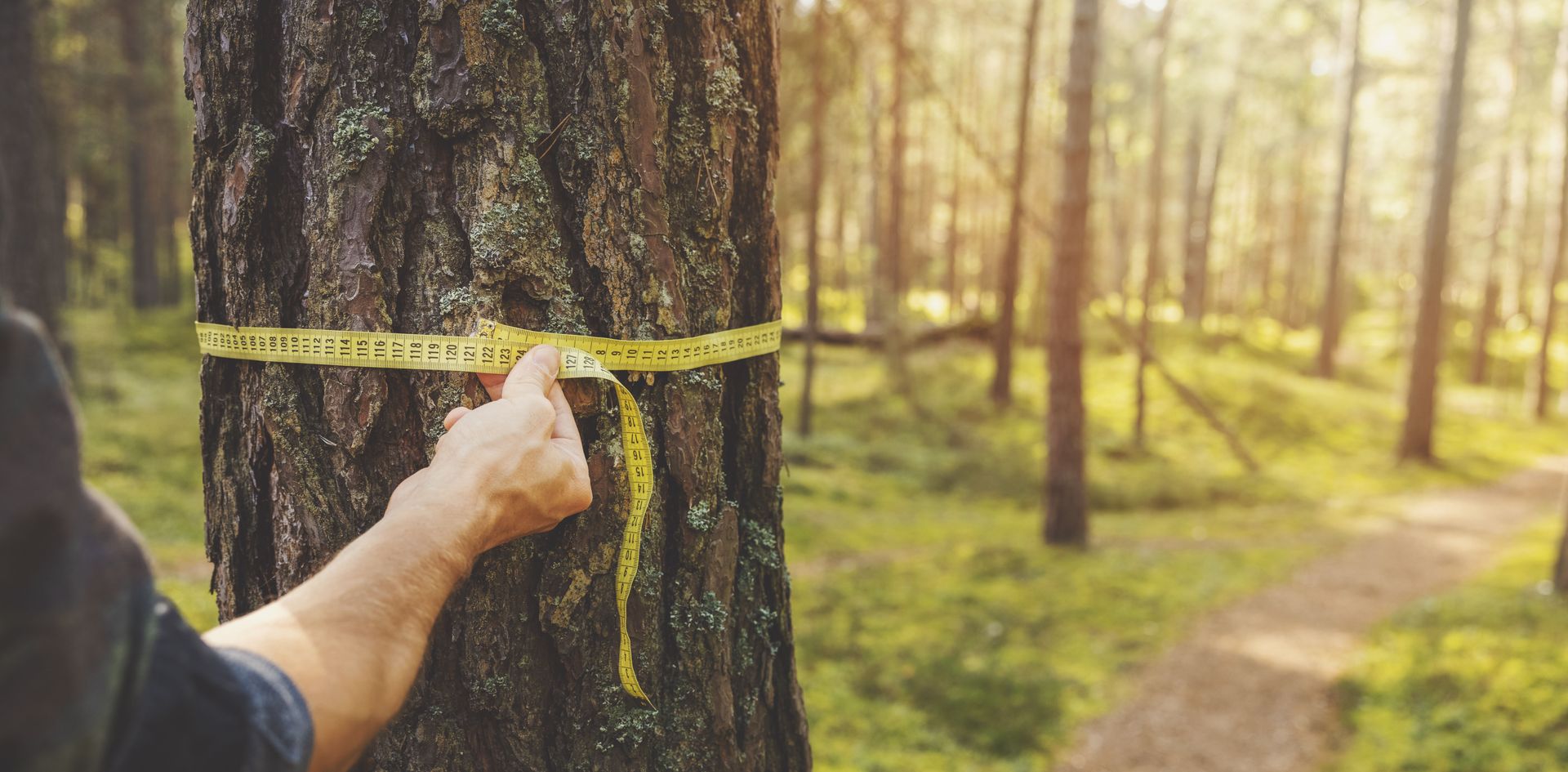
The tree's size is one of the first considerations during a tree removal project. Professionals evaluate its height, trunk diameter, branch distribution, and overall weight to determine how much material must be managed. Larger trees can require more planning because their branches and trunk sections may have considerable momentum when they are cut or lowered. The canopy's spread is also important because branches can extend farther than expected and create hazards beyond the immediate area beneath the tree.
The tree's structure also matters. A healthy-looking exterior does not necessarily mean the tree is structurally sound. Professionals look for dead branches, cracks, cavities, decay, split trunks, weak branch unions, and other conditions that could make the tree unpredictable during removal. These observations help determine whether the tree can be felled in a controlled direction or needs to be dismantled in sections. Root conditions are considered as well, since visible lifting, exposed roots, or signs of deterioration can indicate that the tree may not respond predictably to cutting.
Identifying Damage and Instability
Trees affected by severe weather require additional consideration because wind, lightning, heavy snow, or ice can change their structural stability. Broken limbs may remain suspended in the canopy, while damaged trunks or roots can make the tree more likely to shift unexpectedly. Professionals need to identify these hazards before determining how removal should proceed. They may also look for limbs under tension, hanging branches, and other unstable material that could move once work begins.
According to This Old House, trees taller than 30 feet generally require specialized equipment, present greater removal risks, and create more debris than smaller trees. This added complexity can affect the equipment, labor, staging, and cleanup required for the project. Evaluating these factors beforehand allows professionals to develop a tree removal approach suited to the tree's specific characteristics. A detailed assessment also helps crews determine where workers can safely position themselves while managing sections of the tree.
2. Considering the Surrounding Property and Site Conditions
Examining Nearby Structures and Obstacles
A tree rarely exists in isolation, so professionals must consider everything surrounding it before beginning a tree removal project. Homes, garages, fences, utility lines, vehicles, landscaping, retaining walls, sidewalks, and other structures can all affect how branches and trunk sections can be brought down. Even a relatively small tree may present significant challenges when it stands close to a valuable structure. Professionals must consider not only what is directly beneath the tree but also what could be affected by swinging or falling branches.
Professionals assess the tree's lean and determine how its weight is distributed throughout the trunk and canopy. They also examine the direction of the major branches and identify areas where falling material could cause damage. When a tree cannot safely be felled in one direction, sections may need to be removed individually and controlled as they descend. This type of planning can be particularly important in residential areas where buildings, parked vehicles, landscaping, and neighboring properties may leave little room for error.
Evaluating Access and Working Space
The accessibility of the property is another important consideration. A crew may need room for equipment, workers, cut sections of wood, and debris during the project. Narrow driveways, enclosed backyards, steep terrain, landscaping, and other obstacles can limit available working space and influence the removal method. Professionals may also need to consider whether equipment can reach the work area without damaging lawns, pavement, irrigation systems, or other parts of the property.
Site access can also affect how debris is handled after the tree comes down. Professionals may need to determine where branches and trunk sections can be placed temporarily before they are removed from the property. Planning these details ahead of time helps keep the work area organized and reduces unnecessary disruption to the surrounding landscape. When access is limited, crews can account for those restrictions before work begins rather than discovering a logistical problem after the tree has already been cut.
3. Planning for Safety, Removal Methods, and Cleanup
Selecting the Appropriate Removal Approach
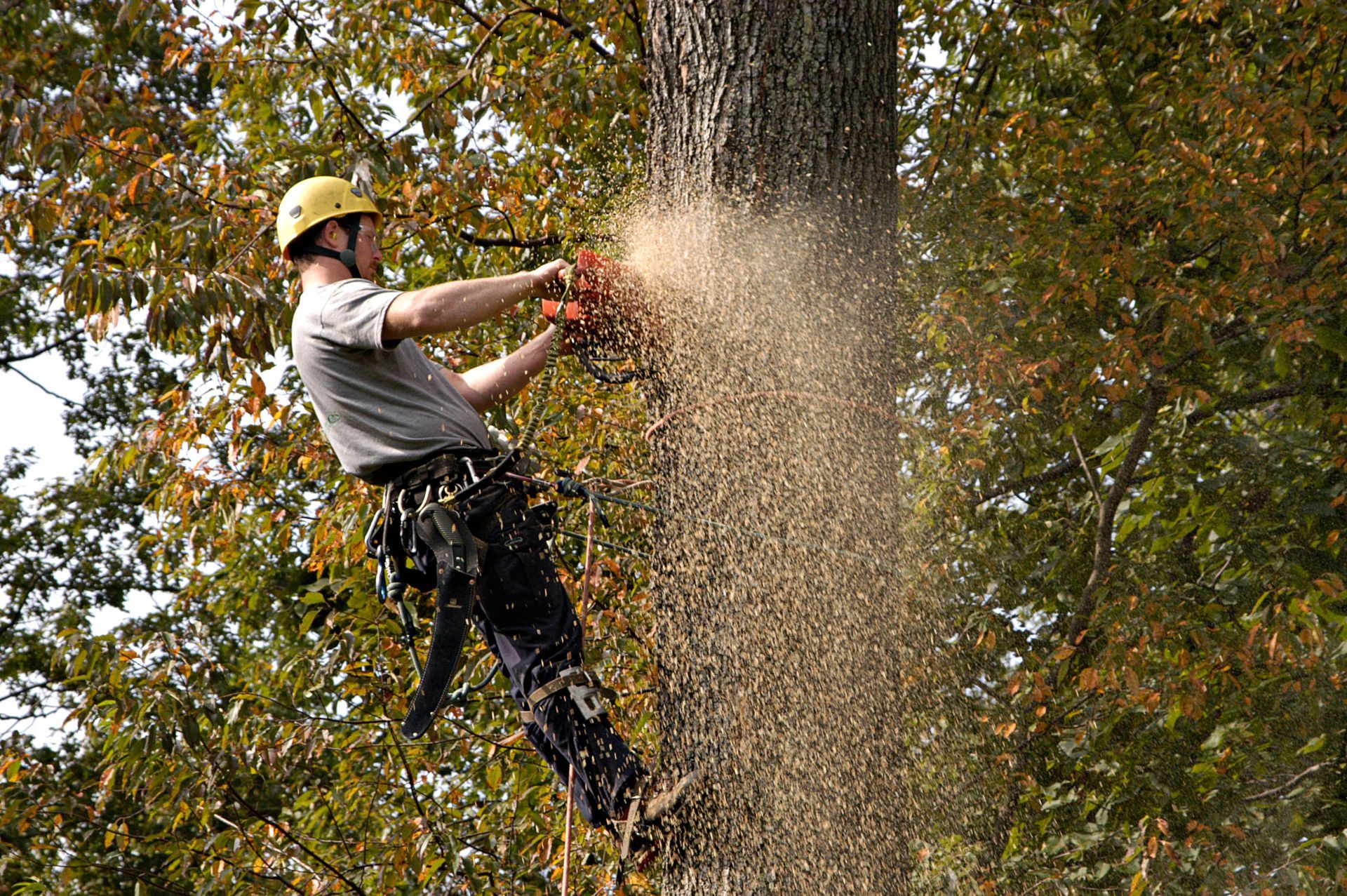
Once the tree and property have been evaluated, professionals can determine the most appropriate removal method. A straightforward tree may allow for controlled directional felling when sufficient space is available. In other situations, complete dismantling may be more appropriate, particularly when branches or trunk sections could threaten nearby structures if allowed to fall freely. The chosen approach should account for the tree's condition, location, size, and surrounding obstacles rather than relying on a single removal technique for every project.
The condition of the tree can also influence this decision. A tree with extensive decay, significant storm damage, or an unstable root system may require a more cautious approach than a structurally sound tree in an open area. Professionals use the information gathered during the assessment to determine how the tree can be taken down while reducing hazards to workers and surrounding property. Careful sequencing is especially important when multiple branches or trunk sections must be lowered individually.
Preparing for Debris Removal and Site Restoration
Cleanup is an important part of the project because tree removal can leave behind substantial amounts of branches, leaves, trunk sections, and wood. Professionals consider how this material will be handled before work begins. Depending on the project, debris may be chipped, hauled away, or otherwise removed from the property after the tree has been dismantled. Planning for these materials also helps crews maintain a clear work area throughout the project.
A complete cleanup also helps restore the work area after the removal is finished. Crews may clear branches from lawns, driveways, walkways, and other affected areas so the property can be used normally again. Planning for cleanup from the beginning helps ensure the project addresses both the hazardous tree and the material left behind. It also gives property owners a clearer understanding of what will happen after the main cutting and dismantling work has been completed.
Professional tree removal involves much more than deciding where to make a cut. The tree's size and condition, the surrounding property, available access, removal method, and cleanup requirements all influence how the work should be performed. A detailed assessment allows professionals to identify potential hazards and choose an approach that accounts for the unique circumstances of each property.
For property owners, professional evaluation can also make it easier to determine whether complete removal is necessary. Trees with serious structural problems, extensive disease, compromised roots, or severe storm damage may pose risks that cannot be addressed through trimming alone. When tree removal is appropriate, careful planning can help minimize property damage and keep the project organized from beginning to end.
If a hazardous or unwanted tree is creating a safety concern, contact The Retaining Wall Group for an assessment and free estimate!